
Table of Contents
- Quick Comparison: Competition Gis at a Glance
- What Separates a Competition Gi From a Training Gi
- IBJJF Gi Requirements: The Compliance Checklist
- Weave, GSM, and Fit: What Actually Decides Performance
- Hemp BJJ Gi Benefits for Competitive Athletes
- Top Competition Gis for Athletes
- How to Wash a BJJ Gi Without Shrinking It
- Sizing, Weight Cuts, and Climate: Practical Buying Tips
- Frequently Asked Questions
Last Updated: September 25, 2026
Quick Comparison: Competition Gis at a Glance
The best competition gi comes down to three variables: fabric weight, cut, and how the jacket holds up after repeated washing. At Senso Jiu Jitsu, we build competition gis from hemp and pearl weave because those fibers hold their shape under tournament pressure.
| Gi | Fabric | Jacket GSM | Price | Best For |
|---|---|---|---|---|
| Hempo | 100% hemp | 550 | $185 | Maximum durability |
| Aizome | Pearl weave cotton | 450 | $135 | All-round training and comp |
| Shoto | Pearl weave cotton | 450 | $135 | Mid-weight control |
| Yuki | Pearl weave cotton | 450 | $135 | All-round training and comp |
What Separates a Competition Gi From a Training Gi
A competition gi is cut slimmer, weighs less, and meets stricter measurement tolerances than a daily trainer. The difference is structural, not cosmetic.
IBJJF Gi Requirements: The Compliance Checklist
IBJJF gi requirements cover jacket length, sleeve width, lapel thickness, patch placement, and color. Get any one wrong and you're disqualified before your first grip, no refund, no re-draw, no appeal on the mat. The IBJJF official rulebook is the governing document, but it's written for referees, not athletes. Here's the athlete-side checklist most guides skip.
The Pre-Tournament Compliance Checklist
Run this the week before, not the morning of. Inspectors measure the gi as worn, so put it on over your competition rash guard and no-gi shorts.
- Jacket length: Must reach the top of the thighs, no lower than mid-thigh. Measure from the shoulder seam down the back; the skirt should hit between the hip crease and mid-thigh.
- Sleeve width: Must be at least 7 cm from the fingertips when arms extend forward. This is measured at the opening, not the forearm.
- Lapel thickness: No thicker than 1.3 cm and no thinner than 1 cm. Measure at the thickest point, usually where the lapel meets the collar.
- Pants length: No more than 5 cm above the ankle. Measure from the ankle bone up.
- Color: Black, white, or blue only for jacket and pants. No mixed colors within the same gi.
- Patches: Must not cover more than 50% of the gi's surface, and cannot extend over the lapel or collar.
- Fabric condition: No rips, tears, or exposed seams. A torn sleeve fails inspection even if it's the right width.
Tools That Actually Measure
A soft tailor's tape is the only reliable tool, a ruler won't wrap around a lapel, and a phone app won't measure sleeve width at the opening. For lapel thickness, a cheap caliper gives you a number you can trust.
Patch Placement and Color Rules
Patches must sit flat and cannot extend over the lapel or collar. Sponsor patches are allowed but can't obscure the manufacturer's branding or interfere with grip points. The 50% surface rule is cumulative, count every patch, including the ones on the pants.
The Morning-Of Sequence
- Lay the gi flat and re-measure sleeve width and lapel thickness.
- Check every patch edge for lifting; a curled corner reads as a loose patch.
- Confirm jacket and pants match in color.
- Pack the tape, some venues re-check at the bullpen.
- Bring a backup gi if you have one. Inspection failures are final.
Senso gis are built to sit inside these tolerances from the factory, with ripstop lapel cores that hold their thickness through repeated washing. See the full lineup at sensobjj.com.
Weave, GSM, and Fit: What Actually Decides Performance
GSM, or grams per square meter, measures fabric density. Higher GSM means a heavier, stiffer gi that resists grips better but drains energy faster; lower GSM moves with you but wears quicker.
Pearl Weave vs. Hemp: Fabric Density and Feel
Pearl weave is a cotton construction with a visible grid pattern. It's breathable, holds its shape, and takes dye evenly, most competition gis use it because it's predictable.
Hemp BJJ Gi Benefits for Competitive Athletes
Hemp BJJ gi benefits come down to three things: durability, moisture handling, and odor resistance. For athletes training five or six days a week, that combination changes how often you replace gear.
Top Competition Gis for Athletes
The best competition gi depends on your game. Fast guard players need light fabric; pressure passers need a stiff collar and dense weave. Here's how the Senso lineup breaks down.
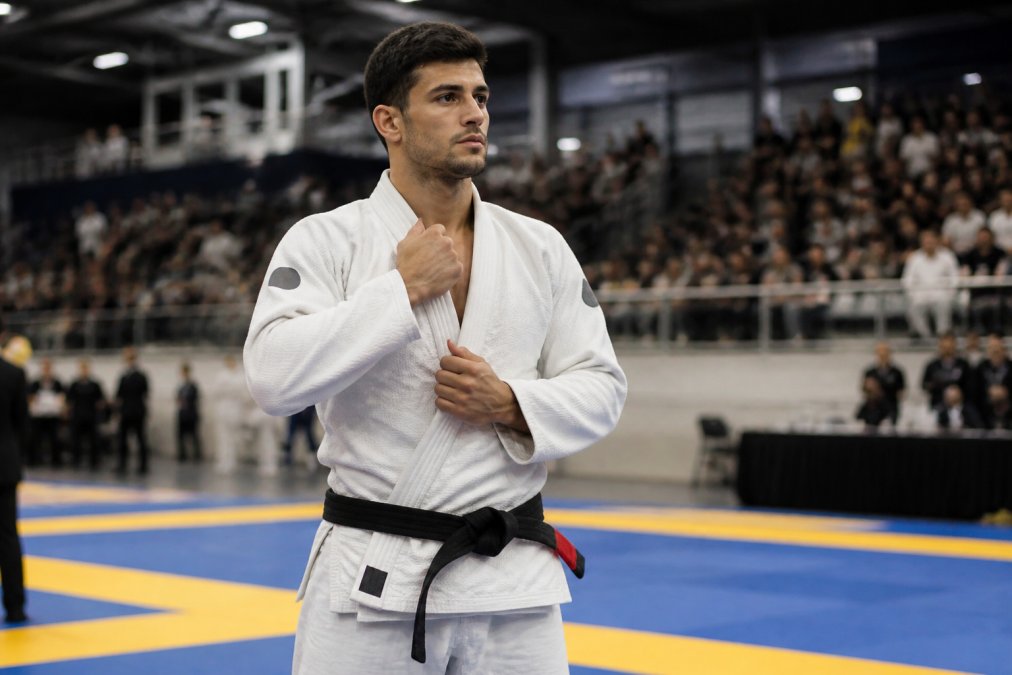
Sweep Gi: Lightweight Speed for Fast-Paced Matches
The Sweep Gi is built for athletes who move constantly. The 420 GSM brushed pearl weave jacket keeps weight down without sacrificing toughness, and the 10 oz cotton twill pants stay durable through heavy rounds.
Hempo: 100% Hemp for Maximum Durability
The Hempo is the most durable gi Senso makes. The jacket runs 550 GSM in 100% natural hemp, and the pants run 375 GSM in the same fiber. No dyes, no bleach, just a light beige tone that softens over time.Aizome and Shoto: Mid-Weight All-Rounders
Both the Yuki, Aizome and Shoto sit at 450 GSM pearl weave with 100% cotton construction.
How to Wash a BJJ Gi Without Shrinking It
How to wash a BJJ gi without shrinking it starts with water temperature. Cold water and line drying in the shade prevent most shrinkage, heat shrinks cotton and hemp, not the wash cycle itself.
Here's the routine that protects your gi:
- Wash immediately after training in cold water on a gentle cycle
- Use a small amount of mild detergent, no bleach or fabric softener
- Hang dry in the shade, never in direct sun or a hot dryer
- If you need a controlled shrink, wash warm and dry gradually on low heat
- Check fit after each cycle before repeating
Sizing, Weight Cuts, and Climate: Practical Buying Tips
Sizing for competition gis should account for weight cuts, not just current weight. If you're dropping a division, buy for the weight you'll compete at, otherwise a gi that fit at 185 lb hangs off you at 175 lb, giving opponents extra fabric to grip.
| Size | Height | Weight |
|---|---|---|
| A0 | 5'3"-5'5" | 130-150 lb |
| A1 | 5'5"-5'8" | 150-170 lb |
| A2 | 5'8"-6'0" | 170-190 lb |
| A3 | 6'0"-6'3" | 190-220 lb |
| A4 | 6'2"-6'5" | 210-250 lb |
How Gi Weight Interacts With Division Limits
At tournaments that weigh you in the gi, the garment counts toward your division limit. A 550 GSM hemp jacket plus pants can run 4-5 lb; a 420 GSM pearl weave setup can run 3-3.5 lb, real weight you have to make on the scale.
Climate-Specific Fabric Behavior
Humidity and venue temperature change how a gi performs, and most buying guides ignore it entirely.
Shrinkage as a Sizing Tool
For athletes who want a gi sized and cut for competition from the start, Senso builds every model preshrunk and IBJJF-legal. Browse the full range at sensobjj.com.
Frequently Asked Questions
What makes a gi legal for IBJJF competition?
An IBJJF-legal competition gi must meet specific measurements for the jacket, pants, and belt. The jacket should reach the upper thigh, sleeves must extend to within 5 cm of the wrist, and the lapel must be a maximum of 1.3 cm wide. Patches must be placed in approved zones. Gis like the Senso Sweep Gi are designed to meet these requirements out of the box.
Are hemp gis better for competition than cotton?
Hemp gis offer distinct advantages for competitors. Hemp fiber is naturally antimicrobial and up to four times stronger than cotton, which means less odor and longer lifespan. The Hempo gi from Senso uses 100% natural hemp in a 550 GSM jacket, providing durability without the stiffness some cotton gis develop. For athletes training five or more days per week, hemp's moisture-wicking and breathability properties help regulate temperature during intense matches.
How should a competition gi fit for optimal performance?
A competition gi should have a slim, athletic fit that allows full range of motion without excess fabric. The jacket must be loose enough to avoid restricting breathing but tight enough that opponents cannot easily grip extra material. Sleeves should stop at the wrist bone, and pants should reach the ankle. Senso gis feature a slim fit with reinforced stress points, and the brand offers free exchanges to help you dial in the right size.
How do I wash a BJJ gi to prevent shrinkage?
Wash your BJJ gi in cold water and line dry it in the shade to minimize shrinkage. Senso gis are preshrunk, so they retain their fit with this method. If you need to adjust the size slightly, you can do a controlled shrink of up to 4% by washing in warm water and gradually tumble drying on low, medium, then hot until it reaches your desired fit. Always avoid bleach and fabric softener.
Do competition gis need to be lightweight?
Lighter gis reduce fatigue during long matches and help athletes make weight classes more easily. A 420 GSM jacket like the one on the Senso Sweep Gi provides a balance of durability and lightweight performance. However, heavier gis (550 GSM and up) offer more durability for daily training. Many athletes keep a lightweight competition gi for tournaments and a heavier gi for gym rounds.